

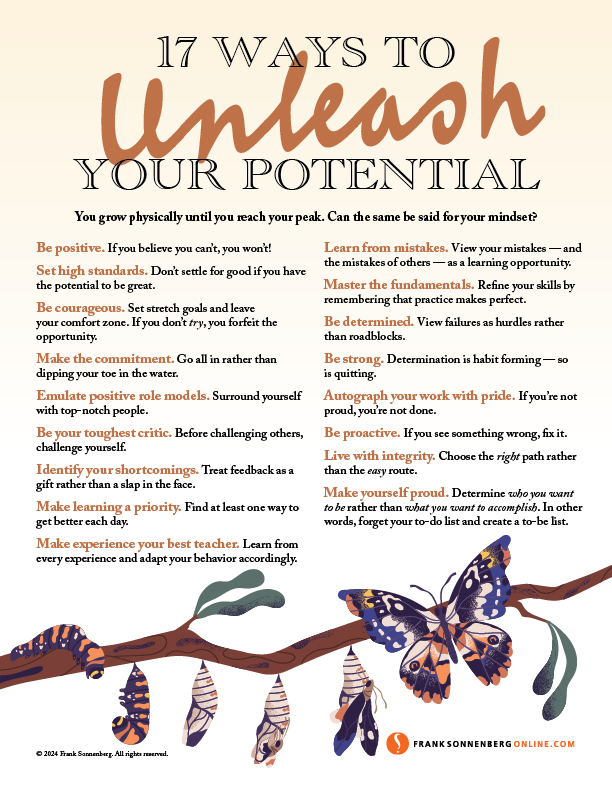
Unleash Your Potential: The Only Personal Growth Goals That Matter
Introduction
We’re constantly bombarded with advice on how to be better. Wake up at 5 AM! Optimize your productivity! Network like a rockstar! But in this whirlwind of self-improvement strategies, it’s easy to get lost, chasing fleeting trends that leave us feeling more overwhelmed than accomplished. Ever feel like you’re running on a hamster wheel, putting in effort but not really getting anywhere? You’re not alone.
The problem isn’t the desire to grow. It’s focusing on the wrong things. We get caught up in superficial metrics, comparing ourselves to carefully curated highlight reels on social media, and measuring success by external validation instead of internal fulfillment.
The Short-Term Pain, The Long-Term Stagnation
The immediate impact of chasing the wrong goals is feeling stressed, inadequate, and spread thin. We jump from one “life-changing” hack to another, constantly feeling behind and never truly present. We neglect our genuine needs and passions in favor of what we think we should be doing, leading to burnout and a creeping sense of dissatisfaction.
But the long-term consequences are even more profound. Over time, this disconnect from our authentic selves can lead to a lack of purpose, a feeling of being stuck, and a diminished sense of self-worth. We risk becoming a shadow of our potential, settling for a life that feels comfortable but ultimately unfulfilling. We become reactive instead of proactive, letting life happen to us instead of shaping it into what we truly desire.
So, what are the personal growth goals that truly matter? The ones that cut through the noise and lead to lasting happiness and fulfillment? They’re not about chasing fleeting trends, but about cultivating fundamental qualities that empower us to live richer, more meaningful lives. They boil down to these three core areas: Self-Awareness, Resilience, and Connection.
Solutions
1. Cultivating Self-Awareness: The Foundation of Growth
Before you can chart a course for personal growth, you need to know where you’re starting from. Self-awareness is the ability to understand your own emotions, thoughts, motivations, and values. It’s about knowing your strengths and weaknesses, and recognizing how your actions impact those around you.
The Problem: Lack of self-awareness leads to making reactive decisions, repeating negative patterns, and struggling to understand why we feel the way we do.
The Solution:
- Mindfulness Meditation: Even just 5-10 minutes a day can significantly improve your ability to observe your thoughts and emotions without judgment. Apps like Headspace and Calm offer guided meditations for beginners.
- Journaling: Regularly writing down your thoughts and feelings can help you identify recurring themes and patterns in your behavior. Try using prompts like “What am I grateful for today?” or “What challenges did I face and how did I overcome them?”
- Seek Feedback: Ask trusted friends, family, or colleagues for honest feedback on your strengths and weaknesses. Be open to hearing what they have to say, even if it’s difficult.
- Personality Assessments: Tools like the Enneagram or Myers-Briggs can offer valuable insights into your personality traits and tendencies. Remember that these are just tools for self-understanding, not labels.
Example: Sarah was constantly frustrated at work. She felt like she was putting in a lot of effort but not getting the recognition she deserved. Through journaling, she realized that she had a tendency to avoid asking for help, assuming that she had to do everything herself. This realization allowed her to start delegating tasks and communicating her needs more effectively, leading to increased productivity and job satisfaction.
2. Building Resilience: Bouncing Back Stronger
Life is full of challenges, setbacks, and unexpected detours. Resilience is the ability to bounce back from these experiences, learn from them, and emerge stronger than before. It’s not about avoiding adversity, but about developing the skills to navigate it effectively.
The Problem: Lack of resilience leads to feeling overwhelmed by stress, giving up easily when faced with challenges, and struggling to cope with adversity.
The Solution:
- Develop a Growth Mindset: Embrace the belief that your abilities are not fixed and can be developed through effort and learning. View challenges as opportunities for growth, not threats to your self-worth.
- Practice Self-Care: Prioritize activities that help you manage stress and recharge your batteries. This could include exercise, spending time in nature, listening to music, or pursuing a hobby.
- Build a Strong Support System: Surround yourself with people who support you, encourage you, and offer a listening ear when you need it.
- Learn from Failure: Instead of dwelling on your mistakes, analyze them objectively and identify what you can learn from them. Use failures as stepping stones to future success.
- Practice Gratitude: Focusing on the positive aspects of your life can help you maintain a sense of perspective and resilience during difficult times.
Example: Mark lost his job during a company restructuring. Initially, he felt devastated and hopeless. However, he decided to view this as an opportunity to reassess his career goals and pursue a path that was more aligned with his passions. He enrolled in a course to learn new skills, networked with professionals in his field, and eventually landed a job that was even more fulfilling than his previous one.
3. Fostering Connection: The Power of Relationships
Humans are social beings, and our relationships play a crucial role in our well-being. Strong, supportive relationships provide us with a sense of belonging, purpose, and connection.
The Problem: Lack of connection leads to feelings of loneliness, isolation, and a diminished sense of purpose. It can also negatively impact our mental and physical health.
The Solution:
- Invest in Existing Relationships: Make a conscious effort to nurture your relationships with family and friends. Schedule regular phone calls, plan outings together, and be present when you’re with them.
- Build New Connections: Join clubs, volunteer organizations, or professional networks that align with your interests. Put yourself out there and be open to meeting new people.
- Practice Empathy: Try to understand and appreciate the perspectives of others, even if you don’t agree with them. Show genuine interest in their lives and experiences.
- Communicate Effectively: Express your thoughts and feelings clearly and respectfully. Listen actively when others are speaking and avoid interrupting or judging.
- Offer Help and Support: Be willing to lend a hand to those in need. Small acts of kindness can make a big difference in the lives of others and strengthen your relationships.
Example: Maria felt increasingly isolated after moving to a new city. She decided to join a book club and a hiking group to meet new people. Through these activities, she formed close friendships and found a sense of community that helped her feel more connected and supported.
Choosing Your Path: Tailoring Growth to Your Needs
The beauty of these goals is their adaptability. You can tailor your approach to fit your individual needs, circumstances, and preferences.
- Option 1: The Focused Approach: Choose one of these areas to focus on for a specific period, say, 3 months. Dedicate time and energy to developing that specific quality.
- Option 2: The Balanced Approach: Incorporate small practices from each area into your daily routine. A little mindfulness, a dash of resilience-building, and a sprinkle of connection each day can create a powerful synergy.
- Option 3: The Reactive Approach: Identify the area where you feel the weakest and focus your efforts there. If you’re struggling with stress, prioritize resilience-building. If you feel disconnected, focus on fostering connection.
The Takeaway: Action Leads to Transformation
Unleashing your potential isn’t about achieving some elusive ideal. It’s about embarking on a journey of self-discovery, resilience, and connection. It’s about embracing the process of growth, learning from your experiences, and becoming the best version of yourself.
These goals aren’t quick fixes, but long-term investments in your well-being. They require commitment, patience, and a willingness to step outside your comfort zone. But the rewards are immeasurable: a deeper sense of purpose, stronger relationships, and a life filled with more joy, meaning, and fulfillment.
So, take a deep breath, choose one small step, and start your journey today. The path to your potential is waiting to be explored. You’ve got this!
