

“`html
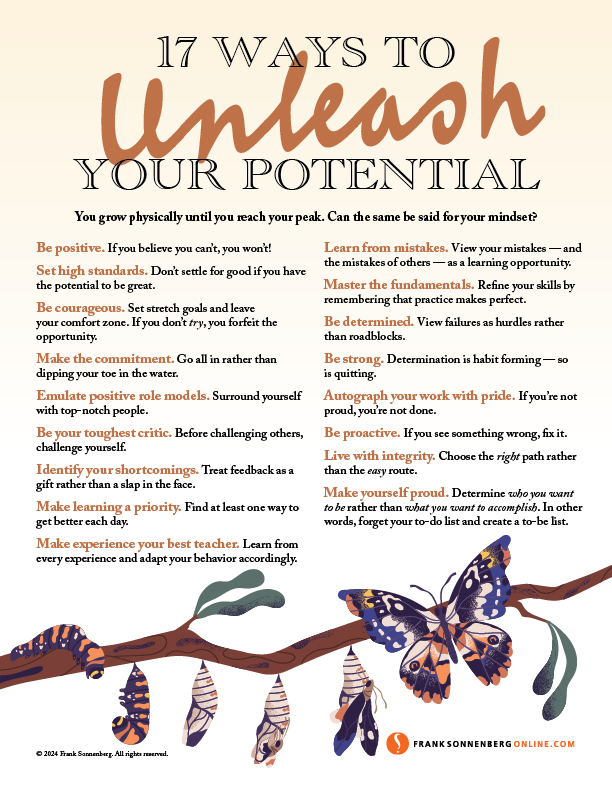
Unleash Your Potential: The Only Personal Growth Goals You Need
Introduction
Ever feel like you’re stuck in neutral? Like you’re just going through the motions, day after day, without really moving forward? It’s a common feeling, and it’s often the result of not actively working on your personal growth. We’re talking about more than just learning a new skill; we’re talking about becoming a better version of yourself.
Let’s be honest: the world is *full* of advice on self-improvement. “Read more books!” “Wake up at 5 AM!” “Drink green smoothies!” It’s overwhelming, and frankly, a lot of it is just noise. What truly matters? What are the foundational elements that, when focused on, will actually make a tangible difference in your life?
That’s what we’re here to explore. Forget the endless lists and fleeting trends. Let’s dive into the core personal growth goals that genuinely matter and will help you unleash your full potential.
The Silent Killer: The Cost of Ignoring Personal Growth
Before we jump into the “how,” let’s address the “why.” What happens when we *don’t* prioritize personal growth? The short-term effects can be subtle: increased stress, a feeling of stagnation, maybe a nagging sense that you’re not living up to your potential. You might find yourself feeling more reactive than proactive, constantly putting out fires instead of building something meaningful.
The long-term consequences are much more significant. Ignoring personal growth can lead to:
- Burnout and Dissatisfaction: Feeling trapped in a job you hate, a relationship that’s unfulfilling, or a life that feels…empty.
- Missed Opportunities: Lacking the confidence, skills, or network to seize opportunities that could have significantly improved your life.
- Regret: Looking back and wondering, “What if?”
Think of it like this: a plant that isn’t watered or given sunlight will eventually wither and die. Similarly, your potential needs nurturing and attention. Ignoring it leads to stagnation, a sense of unfulfillment, and ultimately, regret.
The Core Four: The Personal Growth Goals That Truly Matter
Instead of trying to do *everything*, let’s focus on the four core areas that have the biggest impact on your personal growth:
- Cultivating a Growth Mindset: This is the foundation of everything else. It’s about believing that your abilities and intelligence can be developed through dedication and hard work.
- Mastering Your Emotional Intelligence: Understanding and managing your emotions, as well as recognizing and responding to the emotions of others.
- Building Stronger Relationships: Cultivating meaningful connections with the people around you.
- Defining and Pursuing Your Purpose: Discovering what truly motivates you and aligning your actions with your values.
Let’s break each of these down.
1. Cultivating a Growth Mindset: From Fixed to Flexible
A fixed mindset believes that your abilities are innate and unchangeable. A growth mindset, on the other hand, sees challenges as opportunities to learn and grow.
Why it matters: A growth mindset allows you to embrace challenges, persist through setbacks, and learn from criticism. It fuels resilience and a lifelong love of learning.
How to achieve it:
- Challenge Limiting Beliefs: Identify the negative thoughts that hold you back (“I’m not good at public speaking,” “I’m not creative”). Challenge these beliefs by asking yourself, “Is this actually true? What evidence is there to support it?”
- Embrace Challenges: Actively seek out opportunities to step outside your comfort zone. Volunteer for a project that stretches your skills, take a class in something you’re interested in, or simply try a new recipe.
- Learn from Failure: Instead of seeing failure as a sign of inadequacy, view it as a learning opportunity. Ask yourself, “What can I learn from this experience? How can I do better next time?”
- Praise Effort Over Talent: Focus on the effort you put into something, rather than the outcome. Celebrate the process of learning and growing, even if you don’t achieve your desired result immediately.
Example: Sarah always believed she wasn’t good at math. She avoided anything that involved numbers and told herself she “just wasn’t a math person.” However, after reading about growth mindsets, she decided to challenge this belief. She started using math learning apps to improve her skills, and although she was not immediately successful, she kept at it. As she put in the work, Sarah’s understanding and confidence increased. She discovered that she could learn math if she was willing to put in the time and effort.
2. Mastering Your Emotional Intelligence: The Key to Connection
Emotional intelligence (EQ) is the ability to understand and manage your own emotions and recognize and influence the emotions of others.
Why it matters: High EQ leads to better communication, stronger relationships, increased empathy, and more effective leadership.
How to achieve it:
- Self-Awareness: Pay attention to your emotions. What triggers them? How do they manifest in your body? Journaling can be a powerful tool for self-reflection.
- Self-Regulation: Learn to manage your emotions in a healthy way. Develop coping mechanisms for stress, anxiety, and anger. Techniques like deep breathing, meditation, and exercise can be helpful.
- Empathy: Practice putting yourself in other people’s shoes. Try to understand their perspective, even if you don’t agree with them. Active listening is crucial.
- Social Skills: Work on your communication skills. Learn how to express yourself clearly and respectfully. Practice assertiveness and conflict resolution.
Example: Mark, a project manager, struggled to motivate his team. He often became frustrated and would express his dissatisfaction in a critical way, which made his team defensive and less productive. After understanding the importance of emotional intelligence, Mark started paying more attention to his own emotions and practiced empathy. When he was frustrated, he took a moment to breathe and reframe his response. He started acknowledging his team’s efforts and offering constructive criticism in a supportive manner. Over time, Mark’s team became more engaged and productive, and the overall team morale improved.
3. Building Stronger Relationships: The Foundation of a Fulfilling Life
Humans are social creatures. We thrive on connection and belonging.
Why it matters: Strong relationships provide support, reduce stress, and increase happiness. They offer a sense of purpose and belonging.
How to achieve it:
- Invest Time: Make time for the people who matter to you. Schedule regular check-ins, plan activities together, and be present when you’re with them.
- Practice Active Listening: Truly listen to what others are saying, without interrupting or judging. Ask clarifying questions and show genuine interest.
- Express Gratitude: Let people know how much you appreciate them. A simple “thank you” can go a long way.
- Be Supportive: Offer help and encouragement when others are going through a tough time.
- Set Boundaries: Learn to say “no” when necessary and protect your time and energy. Healthy boundaries are essential for maintaining healthy relationships.
Example: Lisa realized she had been neglecting her friendships. She was so focused on her career that she hadn’t been spending enough time with her friends. As she started to dedicate time to her friends and spent quality time together, she noticed how much better she felt. Having a social outlet and being able to confide in her friends lifted her spirits and gave her much-needed support.
4. Defining and Pursuing Your Purpose: Living a Life of Meaning
Purpose is the reason you get out of bed in the morning. It’s the thing that drives you, motivates you, and gives your life meaning.
Why it matters: Having a clear sense of purpose leads to increased motivation, resilience, and overall well-being.
How to achieve it:
- Reflect on Your Values: What’s truly important to you? What do you stand for? Identify your core values and use them as a compass to guide your decisions.
- Explore Your Interests: What are you passionate about? What activities do you enjoy? Experiment with different hobbies and pursuits to discover what resonates with you.
- Identify Your Strengths: What are you good at? What skills do you possess? Find ways to use your strengths to make a positive impact on the world.
- Start Small: You don’t need to have all the answers right away. Start by taking small steps in the direction of your purpose. Volunteer your time, take a class, or start a side project.
Example: David felt lost and unfulfilled in his corporate job. He started volunteering at a local animal shelter and discovered a passion for helping animals. He began to spend more time at the shelter and was eventually appointed as the supervisor. Although the job required a much lower salary, he felt fulfilled and energized by the work.
Your Journey Starts Now
Personal growth isn’t a destination; it’s a journey. It’s about consistently working on becoming the best version of yourself, one step at a time. Don’t try to do everything at once. Choose one area to focus on and make small, consistent progress. Celebrate your successes and learn from your setbacks. The key is to keep moving forward.
You have the potential to create a life filled with purpose, connection, and fulfillment. By focusing on these four core personal growth goals, you can unlock your potential and live a life that truly matters. Start today. You’ve got this!
“`
