

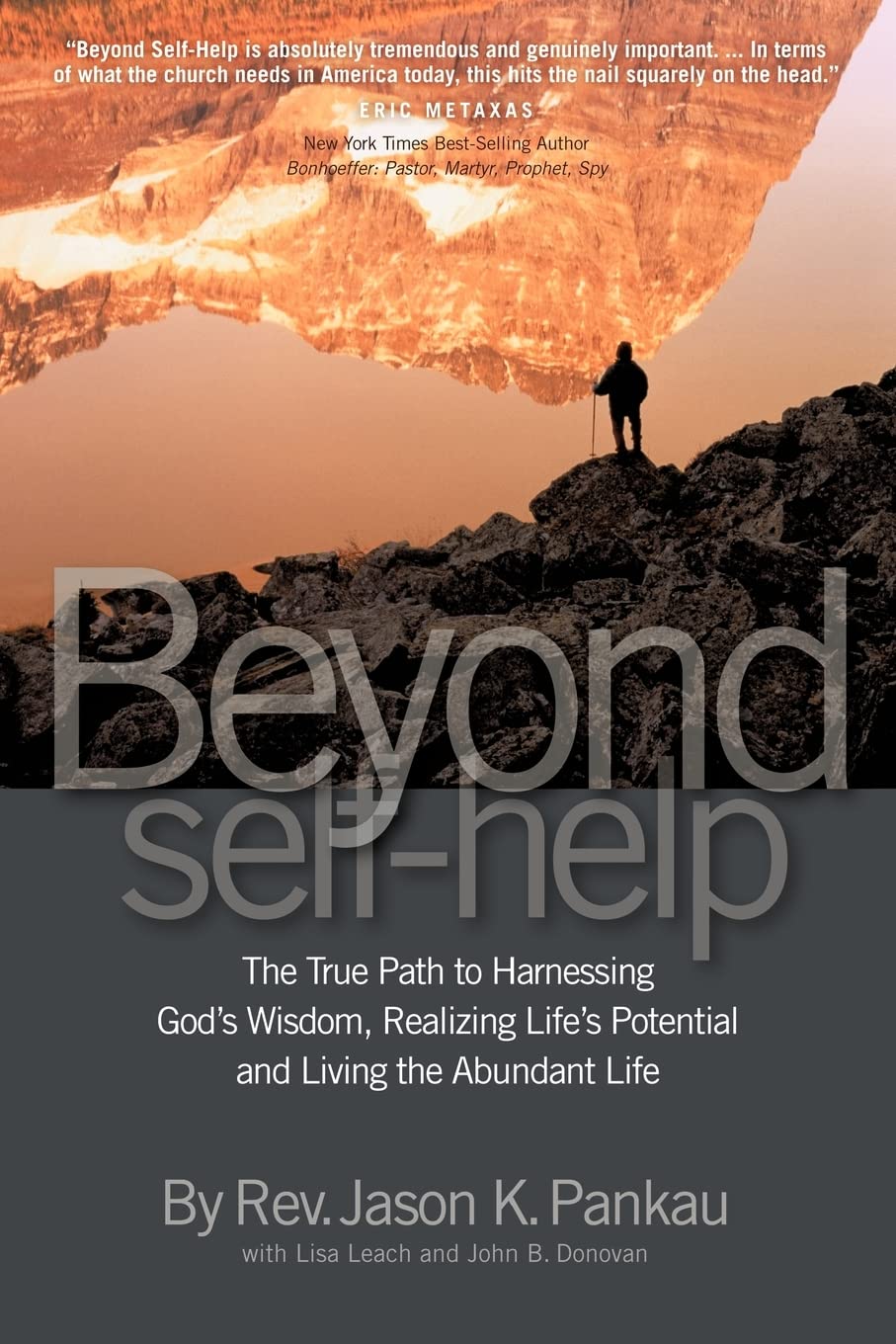
Beyond Self-Help: Defining True Personal Growth
Introduction
We’ve all been there. Browsing the overflowing self-help section, promising ourselves this book will finally be the one to unlock our potential. Maybe it’s a quick fix for procrastination, a secret to unwavering confidence, or a roadmap to instant happiness. But after a week, a month, maybe even a year, do we truly feel transformed? Often, the initial spark fades, and we’re left feeling like we’re back at square one.
Self-help, in its purest form, isn’t inherently bad. It provides bite-sized tips and motivational boosts. But true personal growth? That’s a whole different ballgame. It’s not about chasing fleeting fixes; it’s about embarking on a journey of continuous evolution, understanding, and authentic self-discovery. It’s about digging deeper than the surface level and cultivating lasting, meaningful change.
Explanation of the Problem
The problem with relying solely on self-help lies in its short-term impact. You might experience a temporary surge of motivation, implement a few new habits, and feel a sense of accomplishment. But without addressing the underlying issues that fuel your challenges, these changes often prove unsustainable. Imagine trying to build a house on a shaky foundation – it might look good for a while, but eventually, it will crumble.
In the long term, this cycle of short-term fixes can lead to feelings of frustration, inadequacy, and even cynicism towards personal development. We start to believe that we’re incapable of change, that we’re somehow “broken” and destined to remain stuck. This can negatively impact our self-esteem, our relationships, and our overall sense of well-being. We might avoid challenging ourselves, fearing failure, and ultimately, limit our potential.
Solutions
So, how do we move beyond the quick fixes and embrace true personal growth? It’s about shifting our perspective, changing our approach, and committing to a more holistic, long-term journey.
- Cultivating Self-Awareness: The Cornerstone of Growth
Before you can change, you need to understand what needs changing. This requires brutal honesty and a willingness to confront uncomfortable truths about yourself. What are your triggers? What are your limiting beliefs? What patterns do you consistently repeat, even when they’re detrimental?
- Practical Application: Journaling is a powerful tool for self-reflection. Dedicate 15-20 minutes each day to writing about your thoughts, feelings, and experiences. Don’t censor yourself; simply let your thoughts flow freely onto the page. Over time, you’ll begin to notice patterns and gain valuable insights into your inner world.
- Case Study: Sarah, a marketing manager, struggled with constant anxiety and self-doubt. Through journaling, she realized that her anxiety stemmed from a deep-seated fear of failure, rooted in childhood experiences. This realization was the first step in addressing her anxiety and developing healthier coping mechanisms.
- Challenging Your Limiting Beliefs: Rewrite Your Narrative
Our beliefs shape our reality. If you believe you’re not good enough, you’ll unconsciously sabotage your efforts to succeed. True personal growth requires challenging these limiting beliefs and replacing them with more empowering ones.
- Practical Application: Identify a limiting belief that’s holding you back. Then, ask yourself: “Is this belief actually true? What evidence supports it? What evidence contradicts it? What alternative beliefs could I adopt that would be more beneficial?”
- Example: If you believe “I’m not creative,” consider the times you’ve solved problems in innovative ways or come up with unique ideas. Reframe the belief to “I have creative potential that I can develop through practice and exploration.”
- Embracing Imperfection: The Power of Self-Compassion
Perfectionism is the enemy of progress. True personal growth isn’t about becoming perfect; it’s about embracing your imperfections and learning from your mistakes. Cultivating self-compassion is crucial for navigating the inevitable challenges and setbacks that come with personal development.
- Practical Application: When you make a mistake, instead of beating yourself up, treat yourself with the same kindness and understanding you would offer a friend. Acknowledge your feelings, recognize that everyone makes mistakes, and learn from the experience.
- Alternative Approach: Practice mindfulness meditation to cultivate self-awareness and acceptance. Mindfulness helps you observe your thoughts and feelings without judgment, allowing you to develop a more compassionate relationship with yourself.
- Seeking Deeper Understanding: Exploring Psychology and Philosophy
True personal growth often involves delving deeper into the human experience. Exploring psychology and philosophy can provide valuable frameworks for understanding yourself and the world around you.
- Practical Application: Read books and articles on topics like cognitive behavioral therapy (CBT), mindfulness, existentialism, and positive psychology. These fields offer powerful tools and insights for understanding your thoughts, emotions, and behaviors.
- Alternative Approach: Consider working with a therapist or coach. A trained professional can provide personalized guidance and support as you navigate your personal growth journey. They can help you identify blind spots, challenge your limiting beliefs, and develop strategies for achieving your goals.
- Building Sustainable Habits: The Key to Long-Term Change
True personal growth isn’t a one-time event; it’s a continuous process of learning and evolving. Building sustainable habits is essential for maintaining momentum and creating lasting change.
- Practical Application: Start small and focus on building one new habit at a time. Break down your goals into smaller, more manageable steps. Use habit-tracking tools to monitor your progress and stay motivated.
- Case Study: John, a software engineer, wanted to improve his physical health. Instead of trying to overhaul his entire lifestyle overnight, he started by walking for 30 minutes three times a week. Gradually, he added other healthy habits, such as eating more fruits and vegetables and lifting weights. Over time, these small changes transformed his health and well-being.
- The Power of Community: Finding Support and Inspiration
Connecting with like-minded individuals can provide invaluable support and inspiration on your personal growth journey. Sharing your experiences, learning from others, and receiving encouragement can help you stay motivated and overcome challenges.
- Practical Application: Join a support group, attend workshops or seminars, or connect with people online who share your interests and goals.
- Alternative Approach: Find a mentor or accountability partner. Someone who can provide guidance, support, and encouragement as you work towards your personal growth goals.
Conclusion
True personal growth is not about achieving perfection; it’s about embracing the journey of self-discovery, learning, and evolving. It’s about cultivating self-awareness, challenging limiting beliefs, practicing self-compassion, and building sustainable habits. It’s about becoming the best version of yourself, not by chasing fleeting fixes, but by committing to a lifetime of continuous growth and learning.
This isn’t about overnight transformations. It’s about incremental progress, consistent effort, and unwavering commitment to your own well-being. Embrace the challenges, celebrate the small victories, and remember that every step you take, no matter how small, is a step in the right direction. The power to transform your life lies within you. Now, go out there and unleash it.
