

The Silent Thief: How Mimetic Desire Shapes Your Life
Introduction
Ever found yourself inexplicably wanting something, not because you genuinely desired it, but because someone else did? Maybe it was that trendy gadget everyone’s raving about, a specific career path, or even a particular brand of coffee. You might be experiencing the subtle yet powerful force of mimetic desire. It’s a concept that sounds academic, but in reality, it’s the silent thief subtly shaping your choices, aspirations, and ultimately, your life.
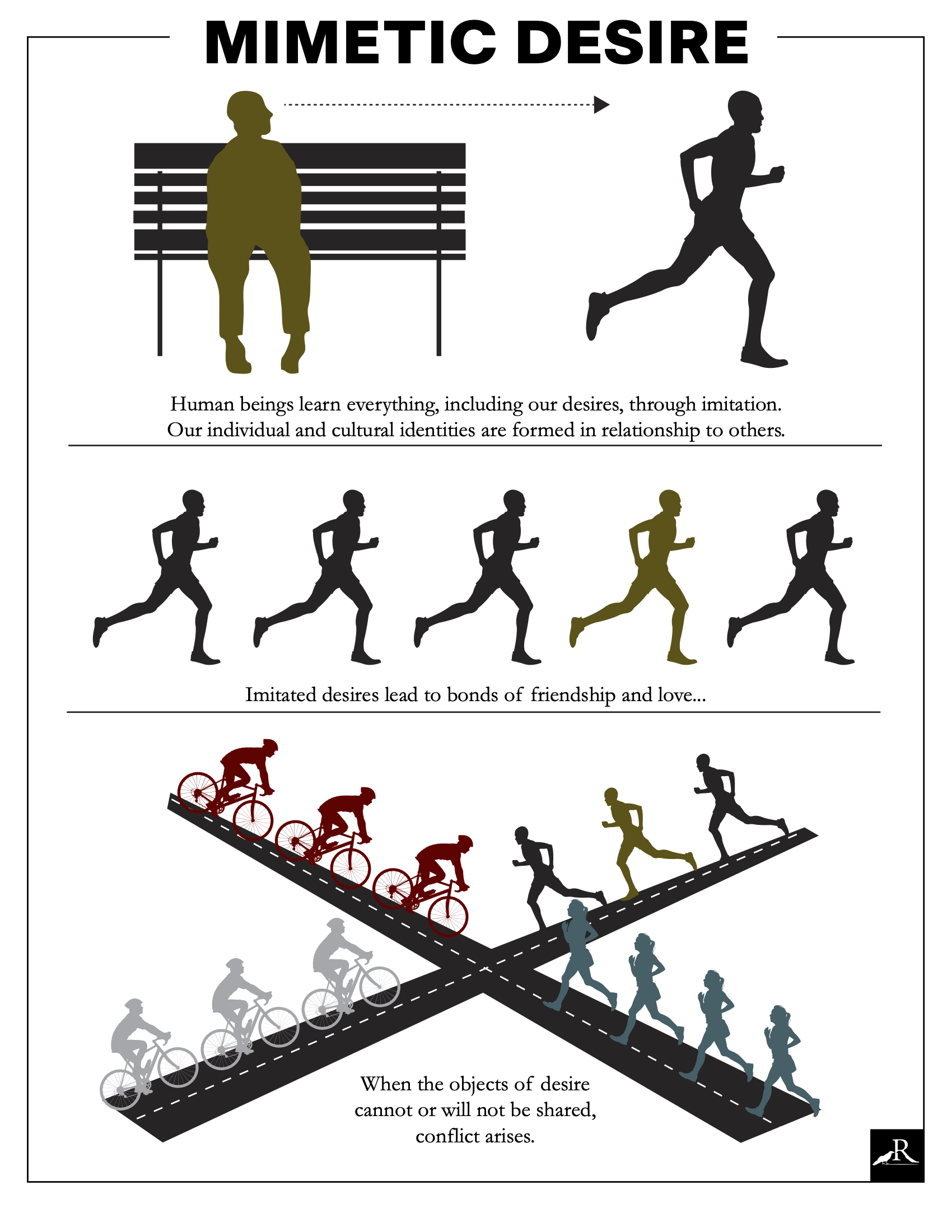
Mimetic desire, at its core, is simply the idea that we don’t desire things in isolation. We imitate the desires of others. We look to “models” – people we admire, respect, or even subconsciously envy – to figure out what’s worth wanting. This isn’t necessarily a bad thing. Mimicry is fundamental to learning and socialization; it’s how we pick up social cues, develop skills, and find our place in the world. However, when we’re unaware of its influence, mimetic desire can lead us down paths that aren’t truly our own, leaving us feeling unfulfilled, confused, and constantly chasing shadows.
The Short-Term Buzz, The Long-Term Blues
The short-term impacts of mimetic desire can be seductive. We see someone enjoying something, we want that same feeling of enjoyment, and we pursue it. This can manifest in small ways, like buying the same shoes as your favorite influencer, or in larger ways, like pursuing a career because it seems prestigious and lucrative based on the perceived success of others. The initial dopamine rush of acquiring the object of desire or achieving the imitated goal can be exhilarating.
However, this “high” is often short-lived. What happens when those shoes lose their appeal? What happens when the high-powered career leaves you feeling burnt out and disconnected? The long-term consequences of unchecked mimetic desire are far more significant. We risk:
- Loss of Authenticity: Constantly pursuing desires that aren’t internally driven erodes our sense of self. We become actors in someone else’s play, unsure of our own motivations and values.
- Chronic Dissatisfaction: The constant pursuit of external validation through mimicked desires can lead to a perpetual state of unease. There’s always something newer, shinier, and more desirable on the horizon, keeping us trapped in a cycle of wanting and acquiring without ever truly feeling content.
- Relationship Strain: Mimetic desire can breed envy and competition in relationships. Seeing your friend’s success in a specific area might trigger a desire for the same, potentially leading to resentment and undermining genuine connection.
- Missed Opportunities: Obsessively pursuing a path dictated by mimetic desire can blind us to our own unique talents, interests, and passions. We might miss out on opportunities that are a better fit for our authentic selves.
Breaking Free: Reclaiming Your Desires
The good news is that you can become aware of mimetic desire and learn to navigate its influence. It’s not about eliminating imitation altogether, but about consciously choosing what and who you imitate, ensuring it aligns with your genuine aspirations. Here are some practical strategies:
- Cultivate Self-Awareness:
- Journaling: Take time to reflect on your desires. Ask yourself: Why do I want this? Is it something I truly value, or am I being influenced by someone else? What need am I trying to fulfill?
- Identify Your “Models”: Who are the people whose desires you unconsciously mimic? Analyze why you admire them. What qualities do you truly value, and which might be superficial or based on societal pressures?
- Pay Attention to Your Gut: Often, your intuition can signal when you’re pursuing something that isn’t genuinely aligned with your values. Learn to trust your inner voice.
- Redefine Success:
- Challenge Societal Norms: Question the dominant narratives about success, happiness, and fulfillment. Are you pursuing these goals because they truly resonate with you, or because you feel pressured to conform?
- Focus on Intrinsic Motivation: Identify activities and pursuits that bring you joy and satisfaction regardless of external validation. Nurture your intrinsic motivation by focusing on personal growth and learning.
- Define Your Own Metrics: Create your own definition of success based on your values, passions, and priorities. This might involve prioritizing meaningful relationships, creative expression, or contributing to a cause you believe in.
- Curate Your Influences:
- Limit Exposure to “Shiny Objects”: Consciously reduce your exposure to social media, advertising, and other sources that fuel mimetic desire. Unfollow accounts that trigger envy or dissatisfaction.
- Seek Out Diverse Perspectives: Surround yourself with people who have different values, interests, and experiences. This will broaden your understanding of what’s possible and challenge your assumptions about what’s desirable.
- Find Authentic Role Models: Identify individuals who live authentically and pursue their passions with integrity. Learn from their experiences, but remember that their path is unique to them.
- Embrace Imperfection and Vulnerability:
- Practice Self-Compassion: Recognize that it’s normal to feel influenced by mimetic desire. Be kind to yourself and avoid self-criticism.
- Embrace Your Own Journey: Accept that your path will be different from others, and that’s okay. Focus on your progress and celebrate your unique achievements.
- Share Your Vulnerabilities: Connect with others on a deeper level by sharing your struggles and insecurities. This will help you build authentic relationships and break free from the pressure to project a perfect image.
Case Study: From Law Firm to Lavender Farm
Consider the story of Sarah, a lawyer who spent years chasing the “dream” of a successful career in a prestigious law firm. She was driven by the perceived status and financial rewards, but felt increasingly disconnected from her work. After years of feeling unfulfilled, Sarah realized she was mimicking the desires of her peers and family. Through journaling and self-reflection, she discovered a deep love for nature and a desire to work with her hands. Sarah eventually left her law firm job and started a small lavender farm. While the financial rewards were initially lower, she found a sense of purpose and fulfillment that she had never experienced before.
Alternative Approaches:
- Mindfulness Meditation: Cultivating present moment awareness can help you observe your thoughts and desires without judgment, allowing you to identify the influence of mimetic desire.
- Values Clarification Exercises: Working with a therapist or coach to clarify your core values can provide a compass to guide your choices and help you resist the allure of external validation.
- Experimentation: Try new things and explore different interests to discover what truly resonates with you. Don’t be afraid to step outside your comfort zone and challenge your assumptions.
Conclusion: Take Control of Your Desires
Mimetic desire is a powerful force, but it doesn’t have to control your life. By cultivating self-awareness, redefining success, curating your influences, and embracing imperfection, you can reclaim your desires and live a more authentic and fulfilling life.
The journey of self-discovery is ongoing, and there will be times when you feel swayed by external influences. But by actively engaging with your desires, questioning their origins, and aligning them with your core values, you can break free from the silent thief and chart your own course. The power to shape your desires and create a life that truly reflects your authentic self lies within you. Take the first step today and begin the journey of reclaiming your desires and building a life that is truly your own.
