

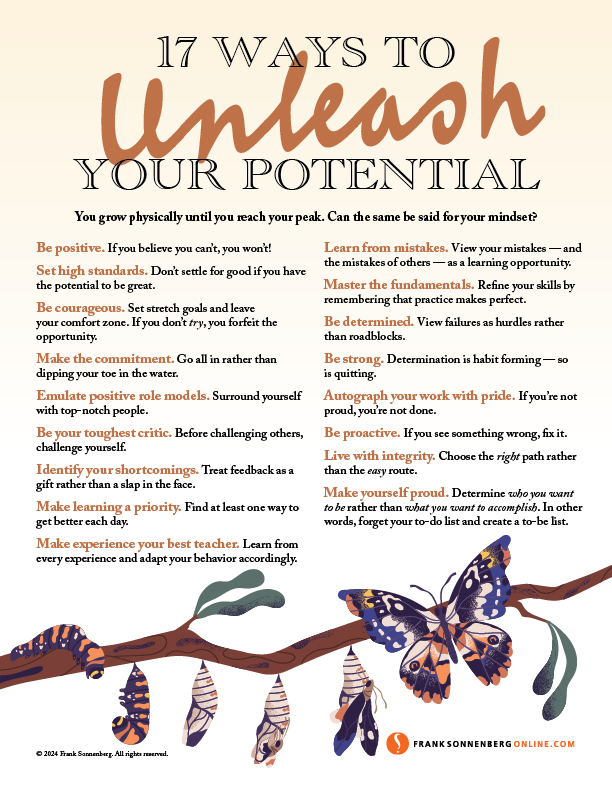
Unleash Your Potential: The Only Personal Growth Goals That Matter
Introduction
Let’s be honest, the personal growth world can feel like a giant buffet. Shiny new self-help books, motivational speakers screaming from stages, and a million different “life hacks” vying for your attention. You end up feeling overwhelmed, lost, and maybe even a little guilty that you’re not becoming the “best version” of yourself.
But what if I told you that the secret to unlocking your potential isn’t about trying to conquer every item on that overflowing buffet? What if, instead, it was about focusing on a few core ingredients – the only personal growth goals that truly matter?
The Problem with the “Everything-at-Once” Approach
We live in a culture that glorifies productivity and constant self-improvement. The pressure to optimize every aspect of our lives – from our sleep schedule to our Instagram feed – can be crippling. We spread ourselves thin, chasing fleeting trends and feeling inadequate when we inevitably fall short.
Short-term impact: This constant striving often leads to burnout, anxiety, and a general feeling of dissatisfaction. We’re so focused on “becoming” someone else that we forget to appreciate who we are right now. We might see temporary boosts in motivation, but they’re usually followed by a crash.
Long-term impact: Over time, this approach can erode our self-esteem and create a deep sense of imposter syndrome. We lose sight of our authentic values and passions, becoming disconnected from what truly makes us happy. We might achieve superficial success, but it feels hollow and unfulfilling.
So, what are the only personal growth goals that actually matter? They boil down to three key pillars:
- Cultivating Self-Awareness
- Building Meaningful Relationships
- Embracing Continuous Learning
Let’s break them down.
Solutions
1. Cultivating Self-Awareness: Know Thyself (Seriously!)
This isn’t about navel-gazing or obsessing over your flaws. It’s about understanding your strengths, weaknesses, values, and beliefs. It’s about recognizing your triggers, biases, and patterns of behavior.
Why is this so crucial? Because you can’t change what you don’t acknowledge. Without self-awareness, you’re essentially navigating life with a blindfold on, reacting to situations instead of consciously choosing your response.
Practical Applications:
- Journaling: Dedicate 15 minutes each day to writing down your thoughts, feelings, and experiences. Don’t worry about grammar or style; just let it flow. After a few weeks, you’ll start to notice patterns and insights.
- Mindfulness Meditation: This practice involves paying attention to the present moment without judgment. It helps you become more aware of your thoughts and emotions as they arise. Apps like Headspace and Calm can guide you through beginner meditations.
- Seek Feedback: Ask trusted friends, family members, or colleagues for honest feedback about your behavior. Be open to hearing their perspectives, even if they’re difficult to swallow.
- Personality Assessments: Tools like the Myers-Briggs Type Indicator (MBTI) or Enneagram can provide valuable insights into your personality traits and tendencies. While not definitive, they can spark self-reflection and awareness.
Example: Sarah, a marketing manager, struggled with workplace conflict. Through journaling, she realized that she tended to become defensive when receiving criticism. Armed with this self-awareness, she began practicing active listening and focusing on the message, not the delivery. This significantly improved her communication skills and reduced workplace tension.
2. Building Meaningful Relationships: Connection is Key
Humans are social creatures, and our relationships are fundamental to our well-being. Strong, supportive relationships provide us with a sense of belonging, purpose, and connection. They buffer us against stress, boost our self-esteem, and even extend our lifespan.
This doesn’t mean you need to be the life of the party or have a million friends on social media. It’s about cultivating a few deep, authentic connections with people who support and challenge you.
Practical Applications:
- Prioritize Quality Time: Schedule regular time to connect with loved ones, whether it’s a weekly dinner with your family, a monthly coffee date with a friend, or a daily phone call with your partner.
- Practice Active Listening: When someone is talking to you, give them your full attention. Put away your phone, make eye contact, and truly listen to what they’re saying.
- Express Gratitude: Let the people in your life know how much you appreciate them. A simple “thank you” can go a long way.
- Be Vulnerable: Share your thoughts, feelings, and experiences with trusted individuals. Vulnerability builds intimacy and strengthens relationships.
- Set Boundaries: Protect your time and energy by setting healthy boundaries with others. Learn to say “no” to requests that drain you or compromise your values.
Example: John, a software engineer, felt isolated and disconnected despite having a large network of acquaintances. He decided to focus on deepening a few key friendships. He started initiating conversations, sharing his vulnerabilities, and actively listening to his friends’ struggles. As a result, he formed stronger, more meaningful connections that provided him with a sense of belonging and support.
3. Embracing Continuous Learning: Never Stop Growing
The world is constantly evolving, and if we want to stay relevant and engaged, we need to embrace continuous learning. This doesn’t necessarily mean going back to school or pursuing advanced degrees (although it certainly could!). It’s about cultivating a growth mindset – the belief that our abilities and intelligence can be developed through dedication and hard work.
Continuous learning keeps us mentally sharp, exposes us to new ideas and perspectives, and helps us adapt to change. It also boosts our confidence and self-esteem as we acquire new skills and knowledge.
Practical Applications:
- Read Widely: Read books, articles, and blogs on topics that interest you. Challenge yourself to explore new subjects and perspectives.
- Take Online Courses: Platforms like Coursera, Udemy, and Skillshare offer a vast array of online courses on everything from coding to cooking to creative writing.
- Attend Workshops and Seminars: Look for local workshops or seminars on topics that you’re interested in. These events provide opportunities to learn from experts and connect with like-minded individuals.
- Learn a New Skill: Choose a skill that you’ve always wanted to learn, whether it’s playing a musical instrument, speaking a foreign language, or coding a website.
- Seek Mentorship: Find a mentor who can provide guidance, support, and advice. A mentor can help you navigate challenges, identify opportunities, and achieve your goals.
Example: Maria, a retired teacher, felt lost and without purpose after leaving her job. She decided to embrace continuous learning by taking online courses in creative writing and photography. She discovered a passion for both, joined a local writers’ group, and started exhibiting her photographs at local galleries. Learning kept her mind active, gave her a sense of purpose, and connected her to a vibrant community.
Alternative Approaches:
- Focus on one pillar at a time: Don’t try to overhaul your life overnight. Choose one of these areas to focus on for a month or two before moving on to the next.
- Integrate personal growth into your daily routine: Find small ways to incorporate these practices into your everyday life. For example, you could listen to a podcast during your commute or practice mindfulness meditation for five minutes before bed.
- Find an accountability partner: Partner with a friend or family member who shares your personal growth goals. Check in with each other regularly to provide support and encouragement.
- Seek professional help: If you’re struggling with any of these areas, consider seeking professional help from a therapist or counselor.
Conclusion
Unlocking your potential isn’t about chasing fleeting trends or trying to become someone you’re not. It’s about focusing on the core pillars of self-awareness, meaningful relationships, and continuous learning.
By investing in these areas, you’ll create a solid foundation for growth, happiness, and fulfillment. It won’t always be easy, but the rewards are immeasurable.
So, take a deep breath, choose one small step to take today, and start your journey toward unlocking your full potential. You’ve got this!
