

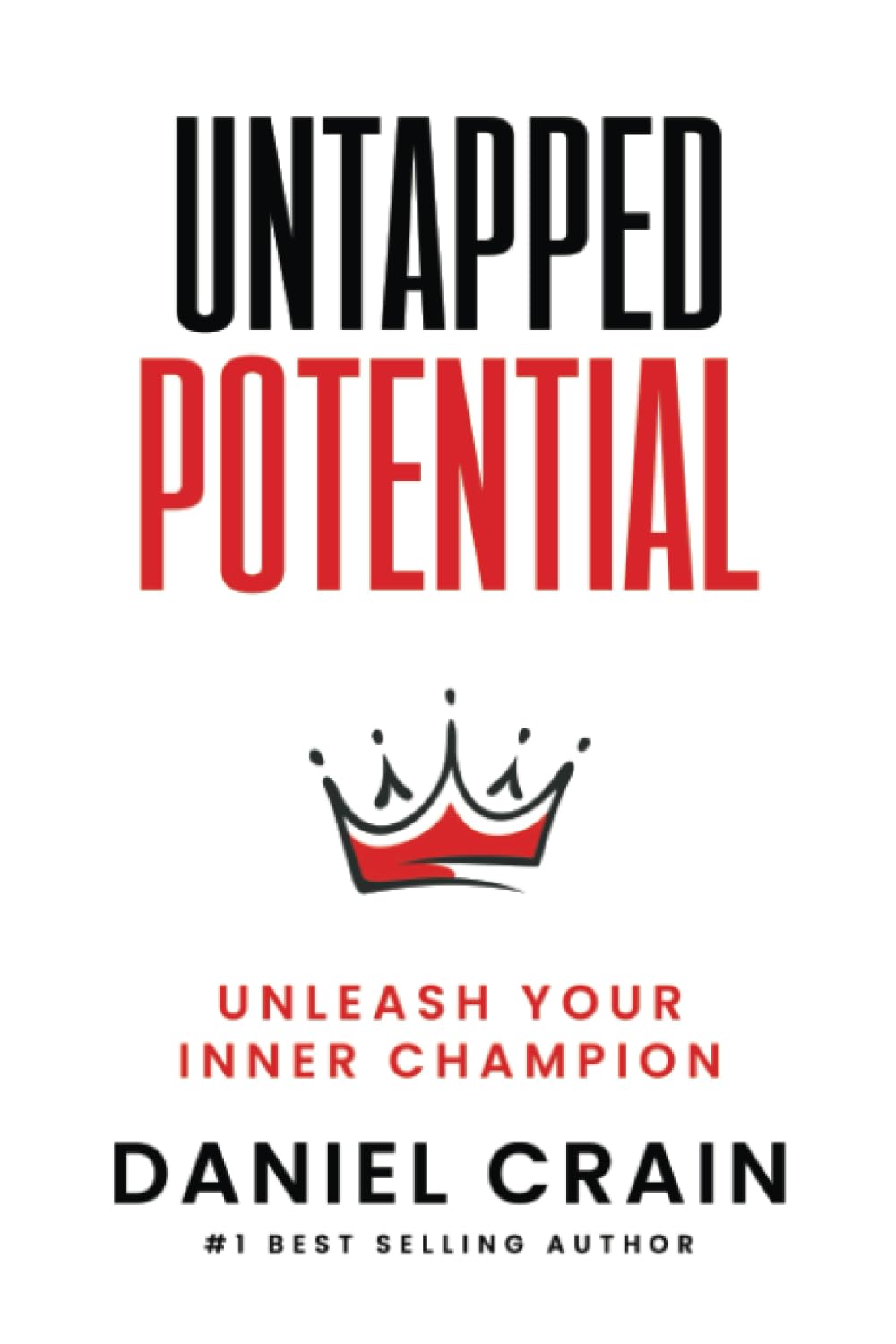
Unleash Your Untapped Potential: A Revolutionary Guide to Self-Mastery
Introduction
Ever feel like you’re just… drifting? Like you’re capable of so much more, but something’s holding you back? You’re not alone. We all have that reservoir of untapped potential, waiting to be unlocked. But how do you even begin to access it? The answer, my friend, lies in self-mastery.
Now, before you picture a Himalayan guru levitating in mid-air, let’s be clear. Self-mastery isn’t about becoming a superhuman. It’s about understanding yourself, your strengths, and your weaknesses, and then consciously shaping your actions and reactions to align with your goals. It’s about becoming the captain of your own ship, instead of letting the winds of circumstance blow you off course.
The Problem: A Life Defined by Reaction, Not Intention
Without self-mastery, we’re essentially living on autopilot. We react to situations, driven by emotions and ingrained habits, often without thinking about the long-term consequences.
Short-Term Impact:
Think about that impulse purchase you regret, that heated argument you wish you could take back, or that procrastination session that left you scrambling at the last minute. These are all symptoms of a lack of self-mastery, small ripples of regret that disrupt our daily lives. They lead to frustration, stress, and a general feeling of being out of control.
Long-Term Impact:
But the bigger problem lies in the long term. These small ripples become waves, eroding our relationships, hindering our career progression, and ultimately preventing us from achieving our full potential. Over time, a lack of self-mastery can lead to a sense of unfulfillment, regret, and the nagging feeling that you’re not living the life you were meant to live. It’s like building a house on a shaky foundation – sooner or later, it’s going to crumble.
The Solution: A Practical Toolkit for Self-Mastery
The good news is that self-mastery is a skill that can be learned and honed with practice. It’s not a destination, but a journey. Here are some practical tools to help you on your way:
1. The Power of Self-Awareness: Know Thyself
This is the bedrock of self-mastery. You can’t control what you don’t understand. Start by paying attention to your thoughts, feelings, and behaviors.
- Journaling: Spend 10-15 minutes each day writing down your thoughts and feelings. This can help you identify recurring patterns and triggers. What situations consistently make you feel anxious? What types of people tend to push your buttons?
- Mindfulness Meditation: Even a few minutes of daily meditation can significantly improve your ability to observe your thoughts and emotions without judgment. Apps like Headspace and Calm offer guided meditations for beginners.
- Feedback: Ask trusted friends, family members, or colleagues for honest feedback about your strengths and weaknesses. Be open to hearing what they have to say, even if it’s not always easy.
Example: Sarah, a marketing manager, started journaling and realized that she consistently felt overwhelmed whenever she had to present her ideas to senior management. This self-awareness allowed her to identify the root cause of her anxiety (fear of judgment) and develop strategies to manage it, such as practicing her presentations and focusing on the value she brought to the table.
2. Emotional Regulation: Master Your Reactions
Once you’re aware of your emotions, the next step is to learn how to regulate them. This doesn’t mean suppressing your feelings, but rather responding to them in a constructive way.
- The S.T.O.P. Technique: When you feel overwhelmed, take a moment to Stop what you’re doing, Take a few deep breaths, Observe your thoughts and feelings without judgment, and Proceed with intention.
- Reframing: Challenge negative thoughts by looking at situations from a different perspective. Instead of thinking “I’m going to fail this presentation,” try “This is an opportunity to showcase my expertise and learn something new.”
- Healthy Coping Mechanisms: Develop healthy ways to deal with stress and negative emotions, such as exercise, spending time in nature, or pursuing a hobby.
Example: John, a software developer, struggled with anger management. He learned the S.T.O.P. technique and started practicing it whenever he felt his temper rising. He also joined a local running club, which helped him release pent-up stress and improve his overall mood.
3. Goal Setting and Prioritization: Chart Your Course
Self-mastery requires having a clear vision of what you want to achieve. Setting meaningful goals and prioritizing your time and energy accordingly is crucial.
- SMART Goals: Set goals that are Specific, Measurable, Achievable, Relevant, and Time-bound.
- Time Management Techniques: Experiment with different time management techniques, such as the Pomodoro Technique or the Eisenhower Matrix, to find what works best for you.
- Saying “No”: Learn to say “no” to commitments that don’t align with your goals or values. Protecting your time and energy is essential for self-mastery.
Example: Maria, a busy entrepreneur, felt constantly overwhelmed. She started using the Eisenhower Matrix to prioritize her tasks, focusing on the urgent and important ones first. She also learned to delegate tasks to her team and say “no” to unnecessary meetings, which freed up her time and energy to focus on her core business priorities.
4. Cultivating Discipline: Build the Right Habits
Discipline is the engine that drives self-mastery. It’s the ability to consistently take action, even when you don’t feel like it.
- Start Small: Don’t try to change everything at once. Focus on building one or two new habits at a time.
- Create a Routine: Develop a daily routine that supports your goals. This could include waking up early to exercise, dedicating a specific time to work on your most important tasks, or setting aside time for relaxation and self-care.
- Accountability: Find an accountability partner or join a support group to help you stay on track.
Example: David, a struggling writer, wanted to write a novel but found it difficult to stay motivated. He started by setting a goal to write 500 words every day, even if he didn’t feel like it. He also joined a local writing group, where he could share his work and receive feedback from other writers.
Alternative Approaches: Tailoring Self-Mastery to You
Remember, self-mastery is a personal journey. What works for one person may not work for another. Here are a few alternative approaches to consider:
- Therapy or Coaching: Working with a therapist or coach can provide you with personalized guidance and support on your self-mastery journey.
- Books and Courses: There are countless books and online courses available on self-mastery, personal development, and productivity.
- Spiritual Practices: For some, spiritual practices like yoga, meditation, or prayer can be powerful tools for self-discovery and inner peace.
Conclusion: Embrace the Journey
Unleashing your untapped potential is not a quick fix. It’s a lifelong journey of self-discovery, growth, and transformation. It requires commitment, patience, and a willingness to learn and adapt.
Don’t be discouraged by setbacks or challenges. View them as opportunities to learn and grow. Celebrate your successes, no matter how small, and remember that every step you take towards self-mastery brings you closer to living a more fulfilling and meaningful life.
The power to unlock your potential lies within you. Start today, take small steps, and embrace the journey. The world is waiting to see what you’re capable of. Go unleash your inner greatness!
